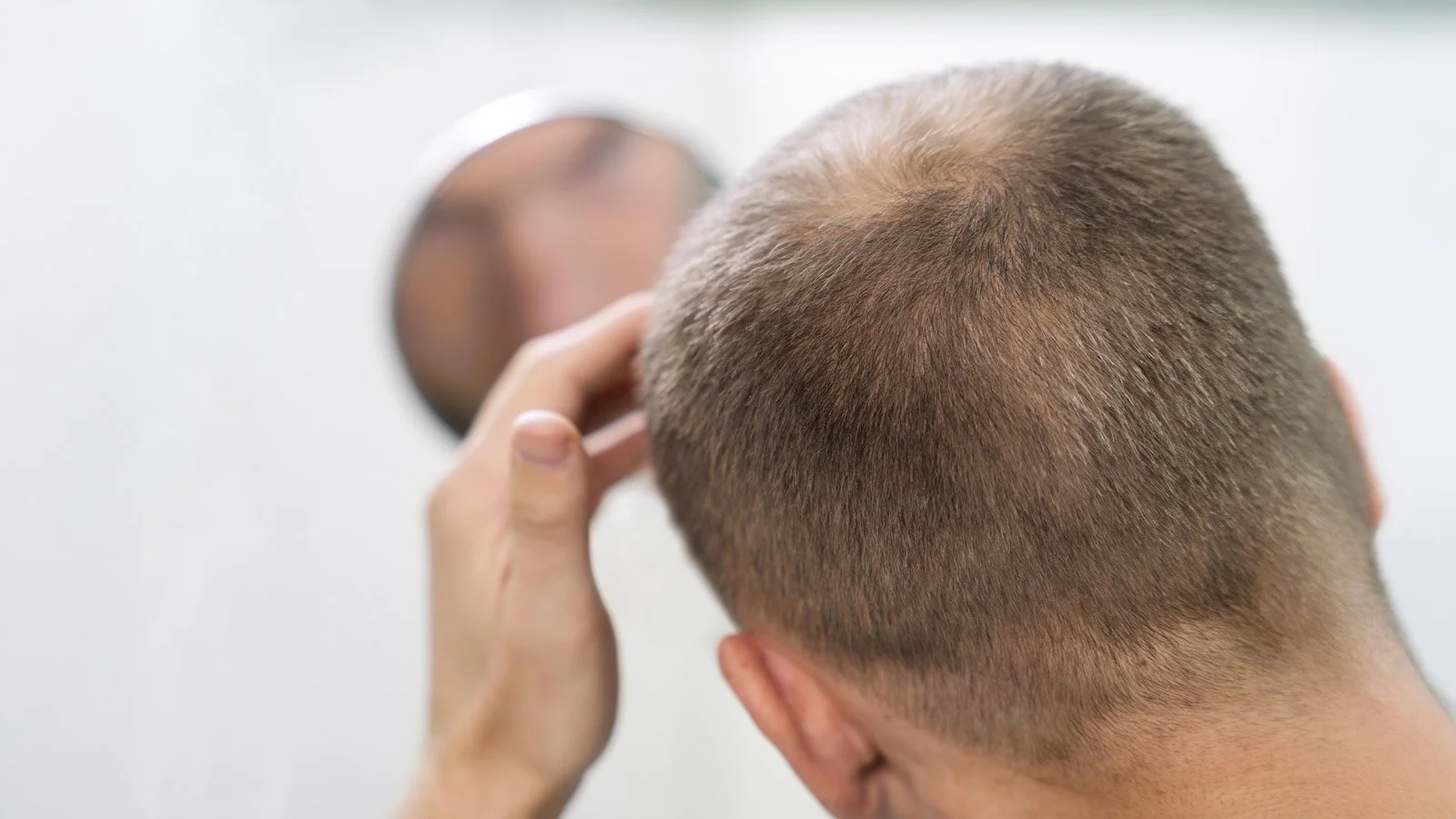
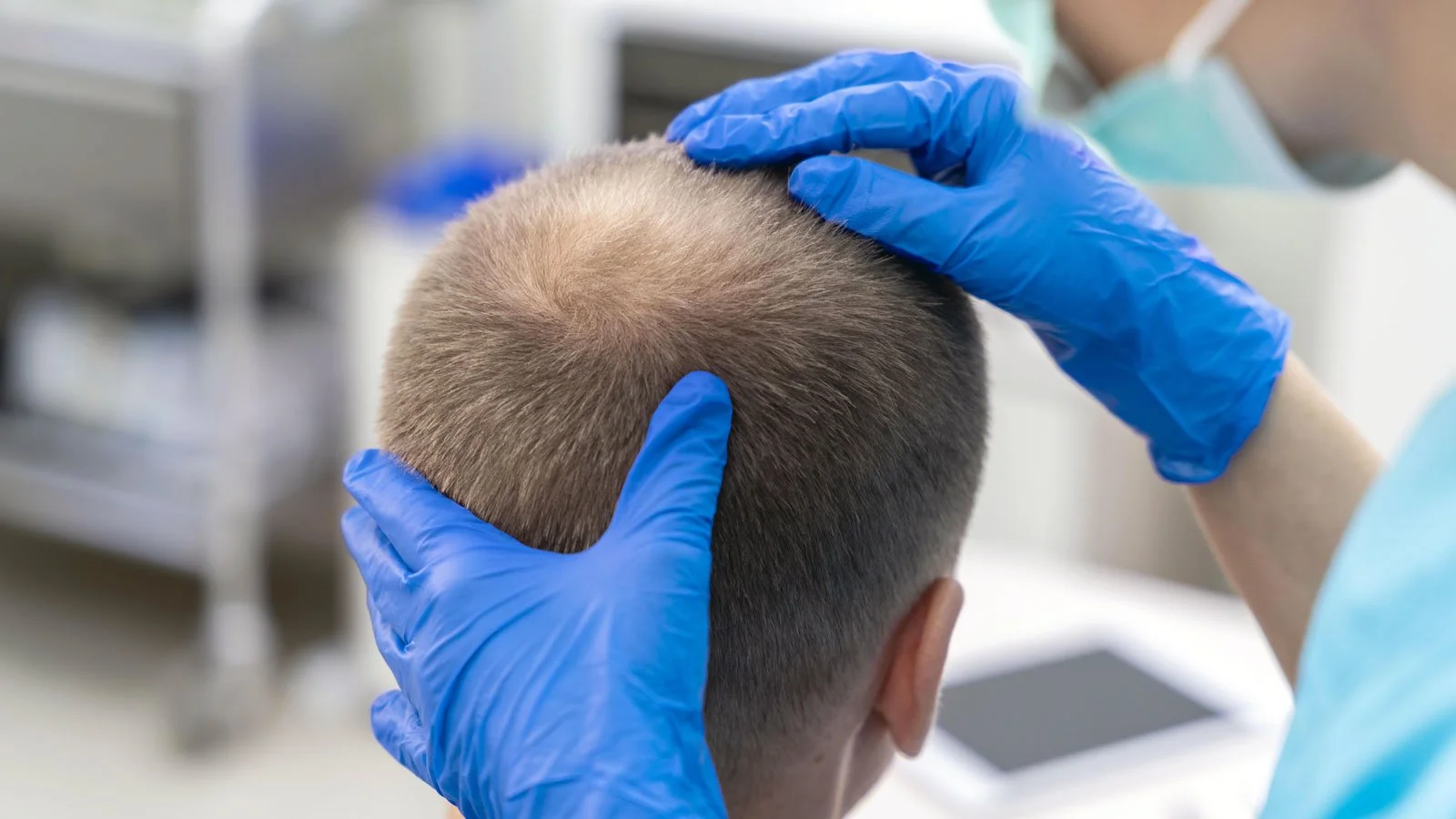
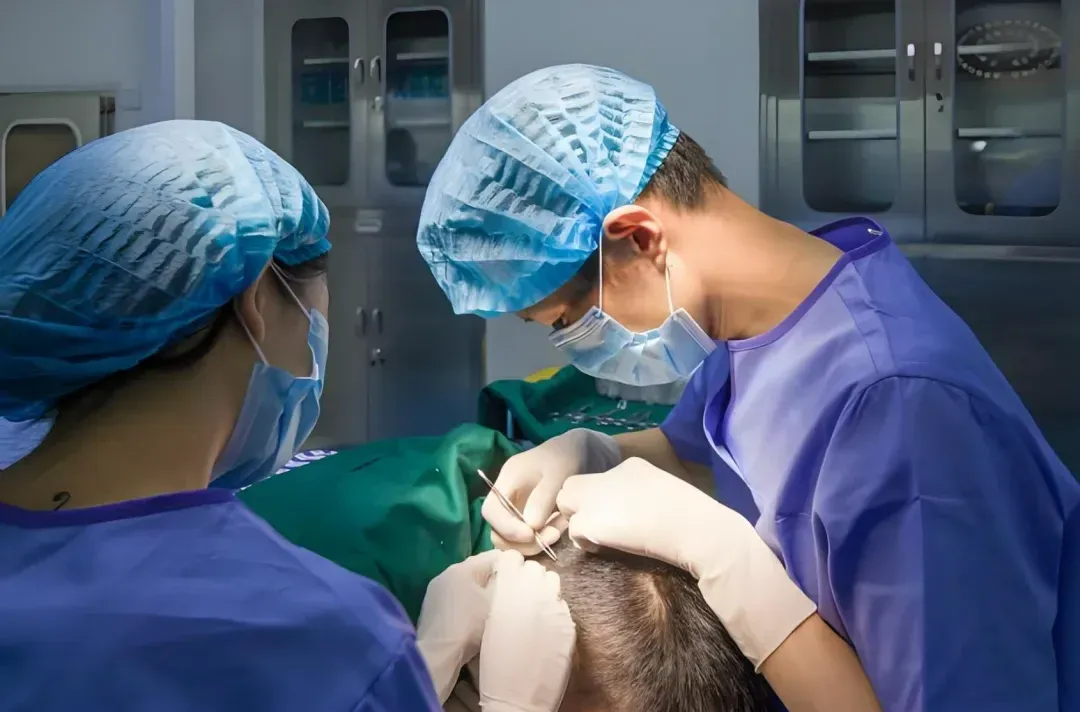
Hair transplant surgery has successfully helped millions restore confidence through follicle redistribution. However, many patients discover unexpected challenges after surgery that traditional approaches simply cannot address.
A Complete Resource Revolution
Traditional transplants require hundreds or thousands of follicles depending on treatment area. Cellular regeneration technology requires extracting just 20 healthy follicles that can generate millions of therapeutic cells through laboratory cultivation—a resource breakthrough.
What Transplant Surgery Cannot Address
- Limited donor supply affecting extensive hair loss cases
- Continued hair loss creating visible gaps between transplanted and existing hair
- Individual recovery variations affecting survival rates
- Psychological impacts from the normal shedding phase lasting 1-3 months
- Technical outcome variations between surgical teams
How Cellular Regeneration Provides Support
The treatment introduces active control cells that produce growth signals, helping activate dormant follicles and restart hair production.
Four Ways Cellular Regeneration Enhances Transplants
- Creating Natural Hairlines: Encouraging finer, more natural-looking hairline development
- Managing Extensive Hair Loss: Activating dormant follicles to reduce transplant needs
- Filling Density Gaps: Targeting transition zones for smoother integration
- Addressing Donor Area Concerns: Helping with scarring and potential regrowth
Combining surgical techniques with cellular innovation represents the evolution of hair restoration from simple redistribution to enhanced regeneration.
This content is provided for educational purposes and general information. Individual treatment outcomes may vary, and all medical decisions should be made in consultation with qualified healthcare professionals.