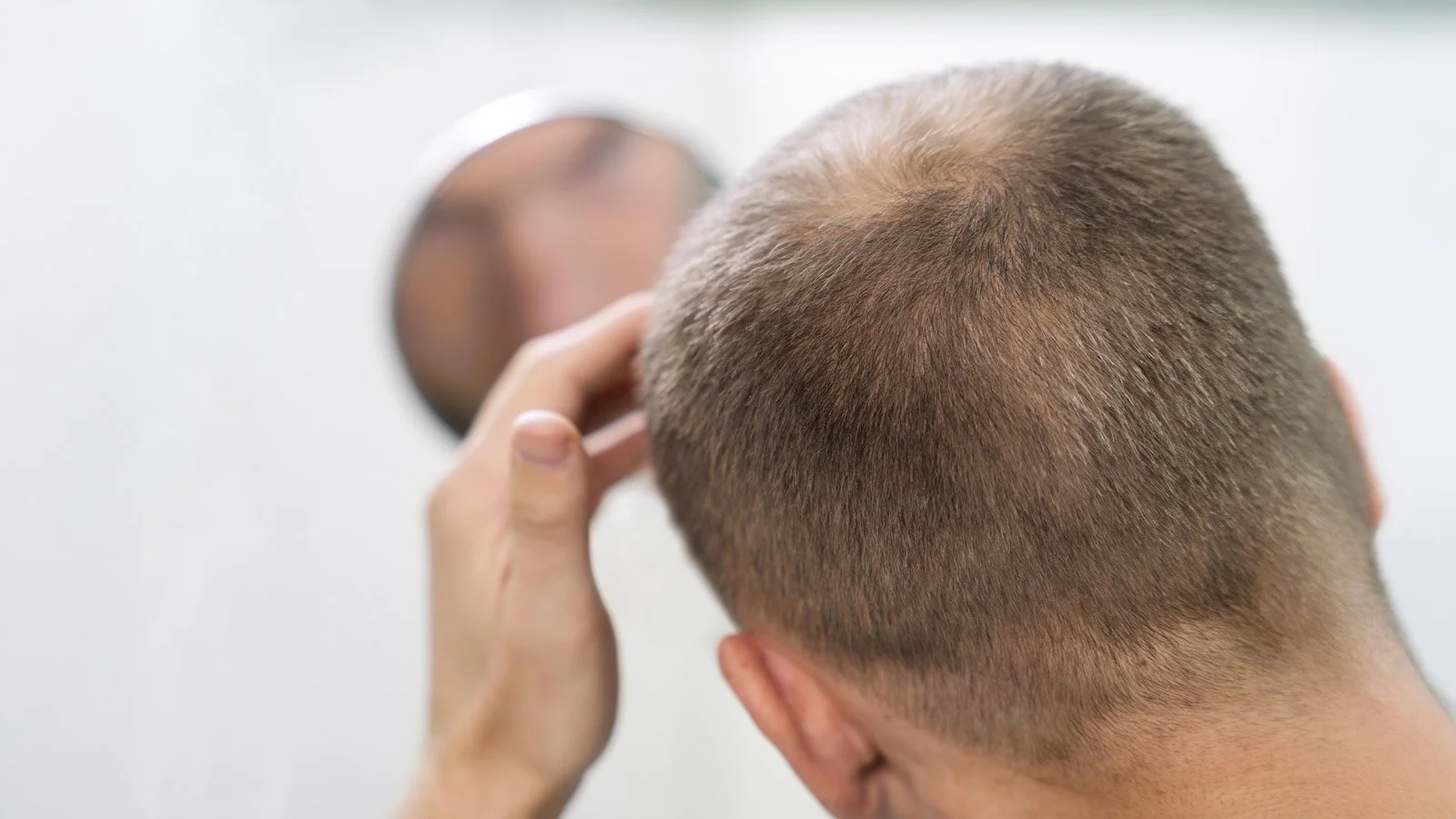
Research published in the British Journal of Dermatology demonstrates that follicular growth peaks during spring for many individuals, then gradually declines entering autumn, creating a predictable pattern of increased shedding during cooler months.
Understanding when to distinguish temporary shedding from conditions requiring clinical attention is essential.
Why Autumn and Winter Increase Hair Loss
Environmental factors contribute significantly to seasonal hair changes. Reduced air humidity accelerates moisture loss from scalp, while dehydration makes hair brittle and prone to breakage. Summer UV exposure creates oxidative stress that pushes follicles into premature resting phases.
Recommended Supportive Care
- Gentle cleansing with mild formulations and warm water
- Wide-toothed combs to reduce mechanical stress
- Physical sun protection through hats
- Adequate protein, iron, zinc, and vitamins
- Regular sleep and scalp massage
When Seasonal Loss Signals Deeper Problems
Seasonal shedding typically resolves as conditions improve. If hair density doesn't recover in warmer weather, it indicates underlying follicular decline rather than temporary environmental effects.
Dermal papilla cell regeneration technology addresses this biological foundation directly by extracting healthy cells, expanding them through laboratory culture, and reintroducing them to areas of decline.
This content is provided for educational purposes and general information. Individual treatment outcomes may vary, and all medical decisions should be made in consultation with qualified healthcare professionals.